Why Toner is so Important to your Blonde Hair
What does a toner do?
This question definitely comes in to our top 5 questions that clients ask. All you know is your hair is lightening in those pretty little foil packets, it then gets rinsed out and your hairdresser says, “I’m just going to mix up your toner.” You smile, nod and agree, all the while having no idea what she is talking about but every hairdresser does it so it must be a thing. So peeps, it’s now time to take control and finally know what happens when we place that weird, cold solution on your head at the basin.
Basically, any time we lighten hair it throws off warmth. That’s what hair does and that’s the way it was designed and has done so since the dawn of time. It lifts through red, orange, yellow and finally palest yellow, which is where you want to be if you are wanting platinum, ash blonde or silver. No we don’t lift to white, as this is the point when hair breaks so we like it to hang out at pale yellow and remain on your head. This is where the toner comes in.
Basically a toner is used in most cases to counteract any warmth in the hair and create a more neutral colour as this is a much nicer look on your skin tone. It can also enhance or be used to create fashion colors but in the case of this blog we will concentrate on the neutralizing part of the toning process.
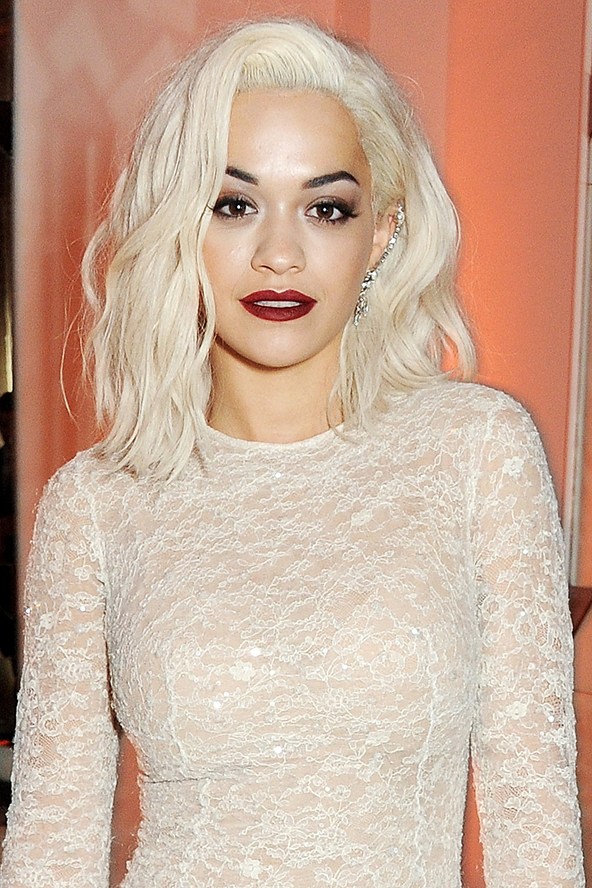
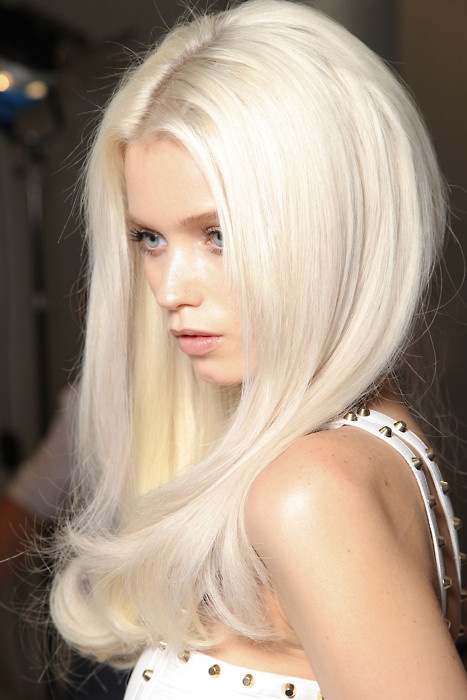
Say you were wanting platinum blonde, we would have to lift you light enough to get to pale yellow. We then would ‘tone’ or neutralize the pale yellow colour with a violet based blonde toner. This is because violet is opposite to yellow on the colour wheel. Remember grade 2 colour wheel activities where you mixed purple with yellow to make brown, or as we call it in hairdressing, neutral. This colour doesn't show up as brown but a neutral, clean, vanilla blonde.
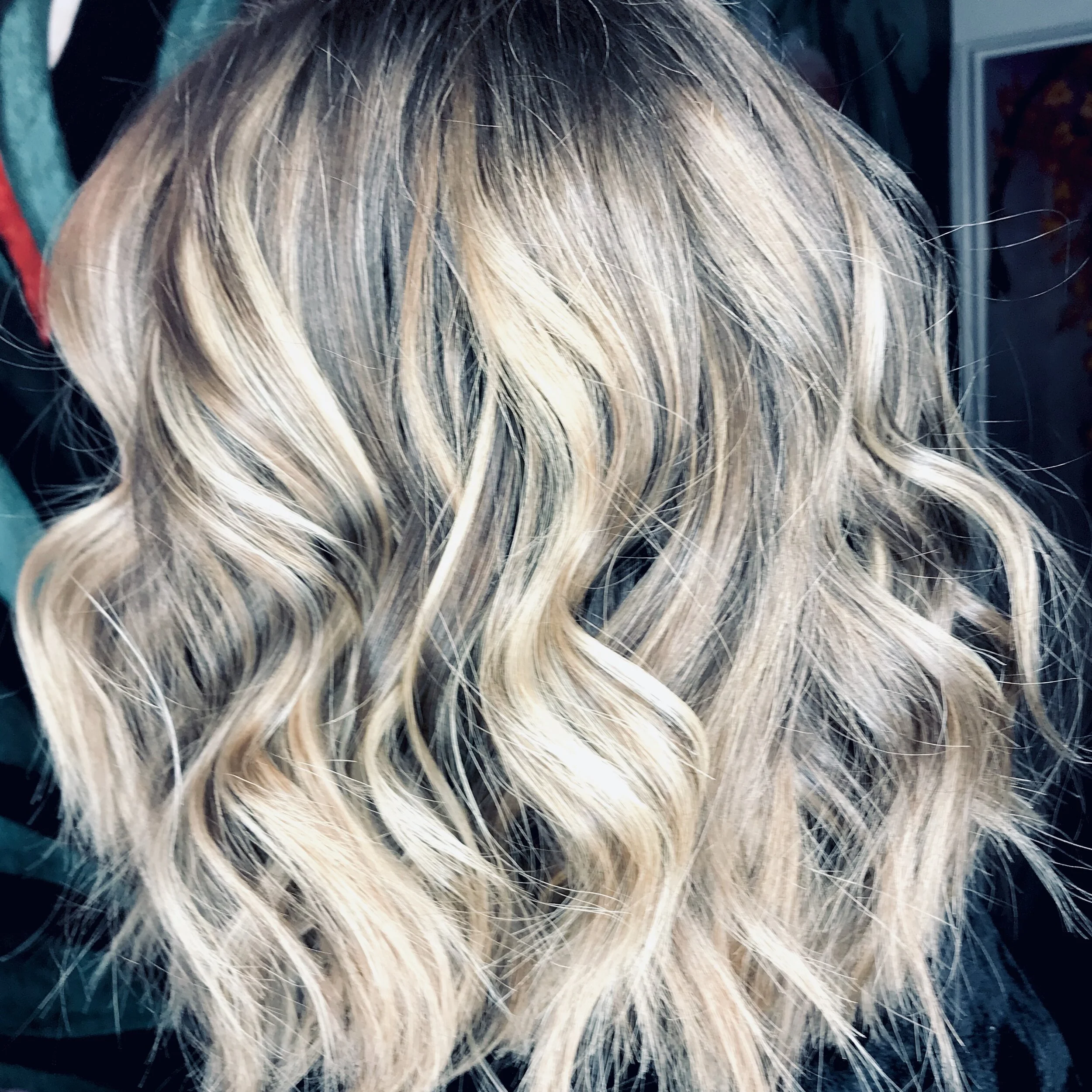
Now let's just say your hair could only lift to orange, due to tint build up or your hair being darker naturally to start with, then we would use a blue based toner creating an ash brown colour. If we used a blue based toner over yellow hair, this would create a green or murky colour as blue and yellow make green. Again see Grade 2 colour mixing. This seems to be a common problem when people get toners in their hair as a lot of hairdressers only see ash (blue) as a universal toning option. This leaves the dull blonde look where hair lacks brightness and lightness. Another common toning faux pas is called ‘breaking the base’ where the toner used has a high level of ammonia which ends up lightening the natural hair around the foils, creating a warm or orange tinge to the overall look of the hair.
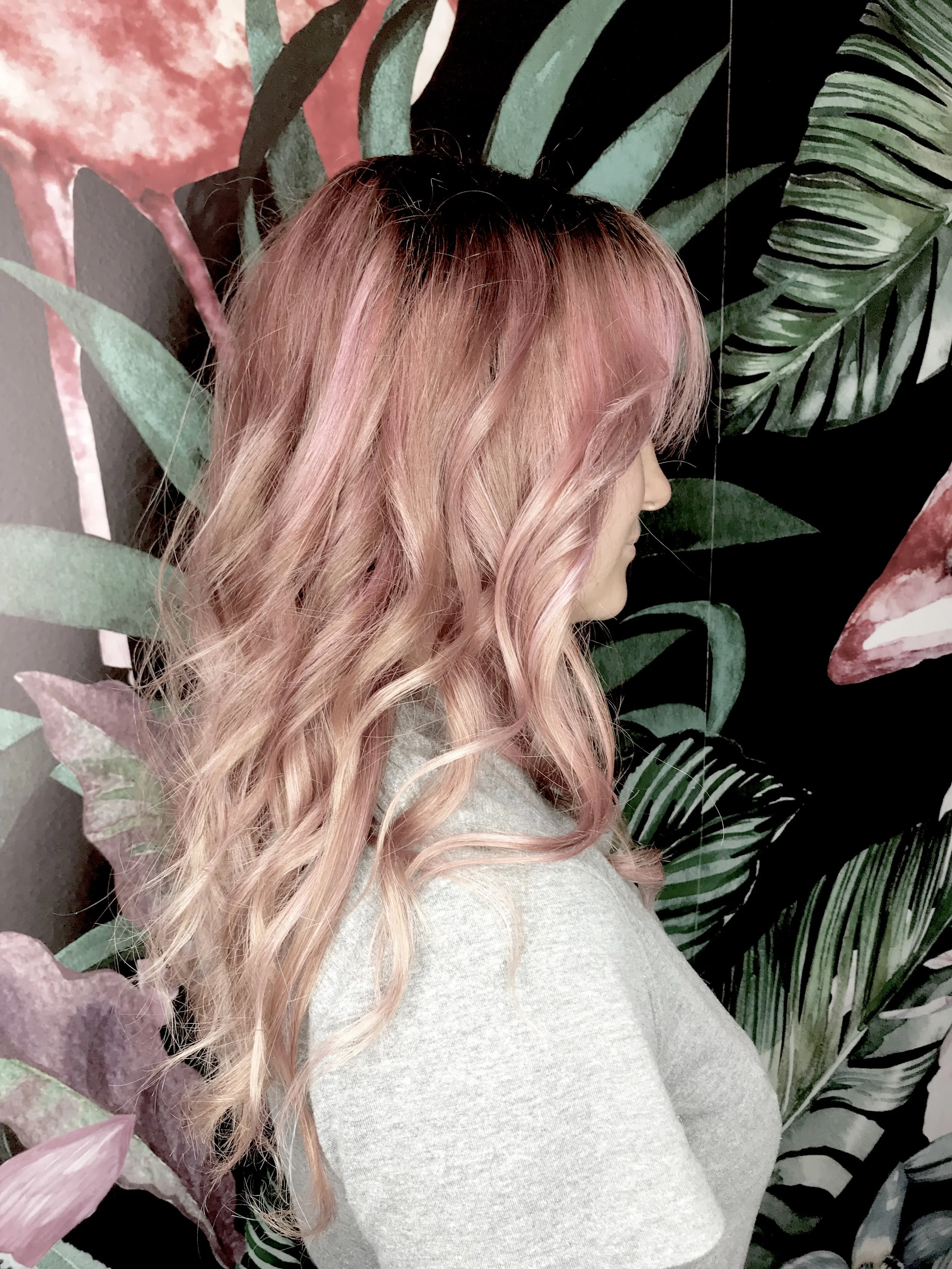
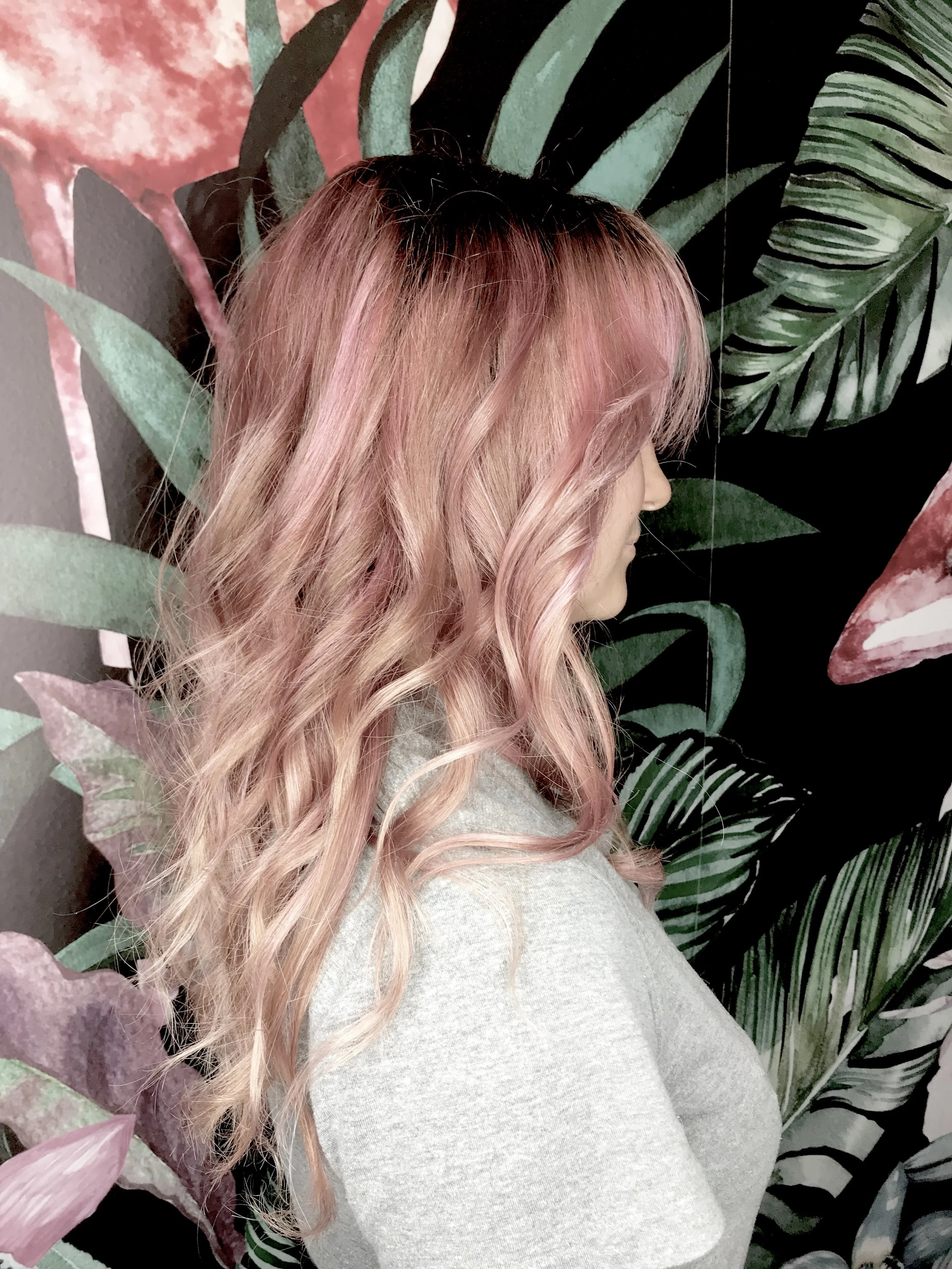
Toners can also be altered to create different tones on blonde hair. There are many ways hairdressers can manipulate toners to intensify fashion looks like greys and pinks, produce depth at the roots using a darker toner called a ‘root stretch, blend out balayage by using 2 levels of toner and using toner to initiate levels of fade when the hair is washed.
Toners should be soft, never burn and never make the hair look dull. A toner should look like a cellophane on the hair, neutralizing the colour and complementing your skin tone. They are an important part of the colour process and if done correctly, can give you your perfect blonde.
Here at Birdie we will always tone our clients blonde at the chair in front of the mirror as apposed to the basin. Firstly this is an easier process for us and cleaner to apply but we also do this to educate our clients as to what their hair colour looks like when freshly lightened and then to visually see what the toner does to their hair colour after application.
Please remember that toners fade from the hair like all hair colour does, but being a lighter tone, they are designed to last about 4-6 weeks. You may find that you need to visit your hairdresser around this time to get the toner refreshed. A violet based shampoo or conditioner will also help the colour from looking brassy.

Blonde Hair Problems...things to know before you join the fair-haired crew.
So we have all heard that Blondes have more fun but it is definitely a commitment and takes hard work and patience. Heres a few things to consider before taking a walk on the light side.
1. Chlorine can turn your hair green.
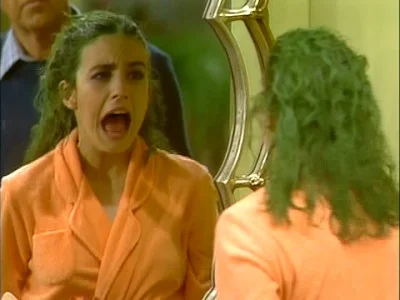
Public pools and Balinese hotel pools are the biggest culprit. Due to blonde being so light and yellow based and the blue of the chlorine, the hair can turn green. Avoid cheap chlorinated pools and go with salt chlorinated instead. If you do happen to end up with locks of green, we suggest neutrilising the colour with either tomato sauce or a tin of tomato soup. Coat the hair with the product, glad wrap and leave in for 20 min. Ok it may stink and be messy but its the easiest and nicest on the hair. If that fails to work, then please consult your hairdresser.
2. Your blonde will always lose tone after 4 weeks
That's if you don't use a toning shampoo or conditioner. The toner that we use in your hair to neutralise the colour breaks down over time and fades with washing. The only way to stop your colour from going brassy is with a toning shampoo or conditioner you can use at home. Alternatively, you can pop back into the salon at the 4-6 week mark and have the blonde retoned. This is especially good for balayage clients who don't necessarily need their regrowth done but need a toner refresh. This service should only take about 30 min so its an quick and inexpensive way to keep your colour looking fresh for longer.

3. Regrowth is not always your best friend
Too fresh or too long between colours. That is the age old riddle for blondes. Between weeks 1 and 5 I personally think is the right amount of regrowth. Most blondes don't want to look too fresh but there are also drawbacks with too much regrowth. Namely extra oiliness, less body and the great big black stripe down the middle of your hair. Oh and don't forget the amount of people who comment on how dark your natural hair colour is. There are ways to soften the blow. Try getting a root depth toner, where the roots are toned slightly darker than the ends. This gives more of a natural look to the hair and softens out the regrowth line when your natural hair comes through

4. Being blonde takes work and $$$
No matter what Instagram may show you, you cannot go the perfect, clean blonde in one session. Blonde takes time and a fair amount of dollars. Blonde is a specialist job and with the right Stylist and aftercare, you can hit your blonde goals and stay there for a while. Colour build up, hair condition and heat damage can all be factors in preventing you from being Instagram worthy blonde in the first session. Going blonde is a journey, so listen to your Stylist, look after your hair with at home treatments and put away the hair irons. This doesn't mean you have to be Tiger Stripped in between, but it does mean patience and some really pretty smokey blonde tones on the road to blonde Mecca.

5. Dry hair is part of the process
Yes peeps, your blonde hair will not be as soft and shiny as your silky brunette locks but it doesn't mean scarecrow hair. Any colour process, especially going lighter will involve some damage to the hair. This doesn't have to be major but be aware that the texture of the hair will change. Modern technology in the form of Olaplex and Fibreplex has helped keep damage to the minimum so make sure your Stylist is adding one of these into your lightening service to keep the hair healthy and with maximum elasticity. You also need to make sure you are using the proper aftercare to avoid breakage and add nutrients into the hair that are lost during the lightening process.

6. Blonde is not a phase
Please commit to your blonde hair once you have made the decision. It is a long process to get you there and it takes the patience of a monk so dont decide to go back brunette at your next hair appointment. This will not only frustrate your Stylist but begins the whole frustrating, time consuming process if you decide to lighten up again. I'm not saying that blonde is for life but be aware it is not something you can chop and change from. If you feel the need for a change from your blonde, experiment with toners. There are 100 different tones and combinations you could explore, so brunette doesn't have to be your only option. We all envy the deep rich tones of Salma Hayek, but most blondes don't look good brunette. Just be the best blonde you can be.

7. Not all blondes have to be ash
There are multiple tones of blonde. Ash is not standard. Ash should not turn grey. If it does, your hair has been overtoned or the toner is too dark. If your hair goes green then the Stylist has not lifted your blonde enough and tried to rectify with a toner. No hope. Gold does not mean brassy orange. Gold should be soft and slightly warm. Platinum does not suit everyone. Ask your Stylist to choose the best shade for your skin tone

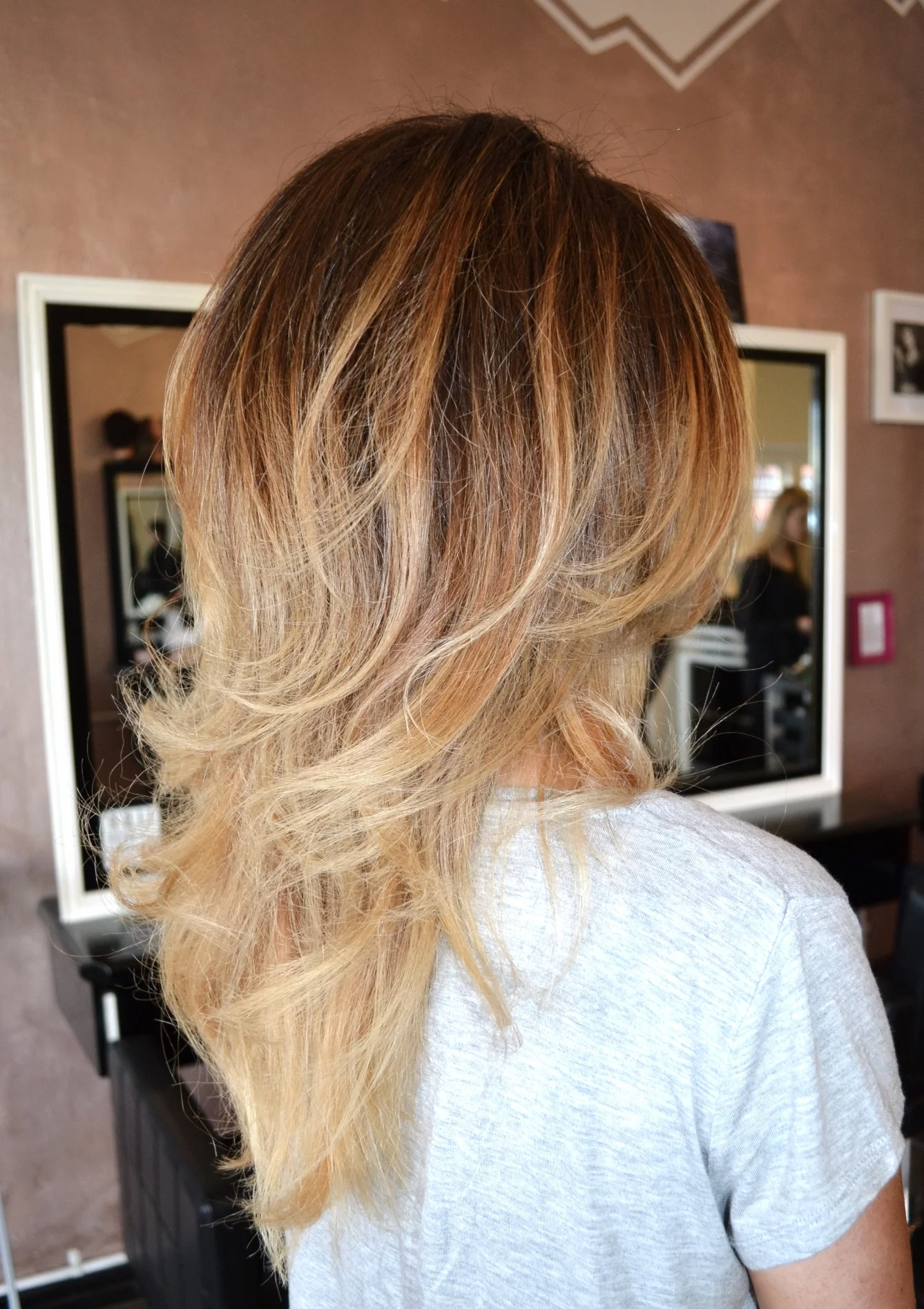
In pursuit of the perfect, damage free blonde hair...What the 'plex' is with Olaplex, Snaplex and Cureplex?
In pursuit of the perfect blonde
What is Olaplex, Snaplex, Cureplex and all the other products that Hairdressers have affectionately dubbed 'The Plexes'. Do they live up to the hype of unicorns blood, shooting stars and angel dust? Is it the miracle that blondes have wished for as they brush their dry, broken hair?
As a Stylist who has been using these products from day dot, I am here to give you the low down on what is truth and what is myth to help you make an informed decision in the quest for the perfect blonde.
To begin, let's talk science. When we lighten or bleach hair, the cuticle is opened and the bleach removes the colour pigment from your hair via oxidation. Any type of trauma to the hair, including colouring or heat styling, will break the internal bonds and make hair weaker. Traditionally, these bonds would remain broken and over time the hair would eventually split and need to be cut, or in the worst case, the hair would break. This is where we have seen extreme breakage when bleach has been overlapped and heat styling is excessive.
Olaplex, Snaplex and Cureplex repair these bonds resulting in less breakage and more elasticity to the hair. These products on their own do not lighten the hair. They need to be added into the colour or bleach as bond rebuilders. They are not colour removers or bleaching products on their own. Therefore, they will not miraculously remove years of black dye and turn you platinm with the wave of a wand. We still need to use the traditional methods of colouring the hair with bleach or dye, in foils, balayage or all over colour. We are still bound by the restrictions of black dye and over processed hair.
So where do we begin with how these 'miracle' products have changed the face of Hairdressing.
Let's begin with colour correction or colour removal. Whenever you dye your hair darker, whether it be supermarket or salon colour, permanent or semi permanent, the colour pigments penetrate into the hair and sit there until an open cuticle allows them out again. The cuticle opens via damage to the hair whether through heat or colouring. This is why darker colour doesn't last as long on damaged hair. When we bleach hair, we open up the cuticle to allow the bleach to lighten pigment. In uncoloured hair, the bleach will lighten out your own natural pigment. In coloured hair, the bleach needs to lighten out the artificial pigment before it can get to work on the natural pigment.
Previously, as hairdressers, we would only allow the bleach to lift out the artificial pigment as our main concern was the condition of the hair as any lightening process will break bonds. We would then need to give the hair time to repair itself over the next 6 weeks before we would be able to bleach it again. This was a slow lightening process and would always leave the hair in the red/orange territory which we then would have to tone out. Clients learnt to accept this stage in their commitment on the road to blonde.
What Olaplex, Snaplex and Cureplex allows us as hairdressers to dois push the lightening process further without fear of damage as it repairs the bonds while colouring. This means we can leave the bleach on longer to take the hair lighter and cleaner. It also allows us to do a double process bleach on the same day where previously this was unheard of and would surely compromise the condition of the hair. It allows us to push past the red to a lighter more noticeable blonde colour.
The second bonus to the plexes is with existing blonde clients. Most people who have dedicated their lives to being blonde with foils and bleaching have experienced breakage on more than one occasion. That broken crown area was jokingly called 'the layer for extra body'. Even the most precise hairdresser will still encounter some overlapping when bleaching a clients regrowth, coupled with the fact that bleach expands slightly and can move on the scalp. This overlap is where the hair has the potential to break. The plexes protect the previously blonded hair and therefore reduces breakage. I have many blonde clients, that after a year of using Olaplex and Snaplex in their colour, have finally been able to grow out the 'layer' in their crown area.
So what are the limitations and downsides of these products.
Firstly, when the hair is already highly damaged and broken, these products don't do it any favours when used in the colour alone. The only way to get rid of breakage is to cut it off. If there are no bonds left to repair, then these products are useless. They cannot repair damage and cannot rebuild split ends. If the hair is still hanging in there but highly damaged, I would suggest a series of weekly in salon Olaplex treatments to build up the hair before lightening it any more. Weak hair will snap with more stress, no matter how much protection we give it.
The plexes also slow down the lightening process so pack a lunch and snacks. You could be in the salon for hours. This limits how light we can go in one day. Just remember that when you are faced with these amazing Instagram pics of black to platinum in one sitting, we fail to see that these looks can take 9+ hours and involve multiple processes. The longest I have seen a stylist mention is 16 hours. When you think that time is money, and we work out pricing on these times, you would be looking at $900 to $2000 for a service like this. This is fine if you are a Kardashian or have time and money to burn but I personally wouldn't expect a client or a Stylist to work on something this long. In my salon we would never do more than 2 lightening services in the one day, even using Olpalex. After this, we are compromising the condition of the hair and stepping into unpredictable territory.
You can also still damage your hair post plex. Colour is not the only avenue to hair breakage. Using hot hair irons and tongs will also break the bonds in the hair. You still need to follows the cardinal rules of heat styling. Always protect the hair with a heat protector and minimise use of hot tools. I always tell my clients when they go blonde, that it is time to put down the irons...or at least heavily reduce the usage. Once or twice a week after washing is fine but daily is excessive and will break the hair. You don't have to walk the streets with fizzy, natural dried hair but remember, there is nothing wrong with a good old fashioned hairdryer. Just bear in mind that a hairdryer heats to 100 degrees Celsius and a hair iron can heat to up to 230 degrees Celsius, which is the temperature of the grill of your barbecue.
Going blonde is high maintenanace and takes a lot of commitment. Blonde hair should be treated weekly and all brands of plexes have the take home no 3 treatments to continue the bonding process at home. This step is highly recommended and you WILL see and feel the difference.
So which of the plexes is best you ask? Well I think they all have their pros and cons and as Stylists we need to work out what works best for what we do in salon and what works best with our brand of colour. Each company claims they are better than the other and over the next year or so there will be a hundred more copycat versions on the market. All I can say is that either way going blonde is 100 % better than when we had to colour without the plexes. If your Stylist doesn't use any of the plexes, ask them to get one in. If they won't, then find a salon that does. At the end of the day, it's the integrity of your hair that is most important and we now have these products at our disposal, so why not utilise them.
As Stylists, we think we are magicians, and yes we want to solve all your hair problems in the one day but we are also trained to be realists and every time we apply colour to the hair, especially lightener, there is damage to the hair, even when using the plexes. If we can minimise that damage, then we must use these tools. We also cannot predict what hair will do, when dealing with colour correction, until we apply the lightener to the hair. This is because there are so many factors beyond our control, including brand of colour, colour build up and condition of the hair so please be patient and have respect for our craft. The plexes help take away the uncertainty and allow us the push the boundaries of colour with the reassurance of minimal damage.
The best you can do as a client is be patient with the process and look after your hair at home using the advice of your Stylist. This my friends is the secret to damage free, silky smooth blonde locks.

Ombre is so last year! 2014's hottest hair looks.
Ombre has come and gone and we are sick of seeing bad dye jobs that just end up looking like dip dye.
Look no further than Birdie for the latest hair looks for 2014. Exclusively available in salon now.
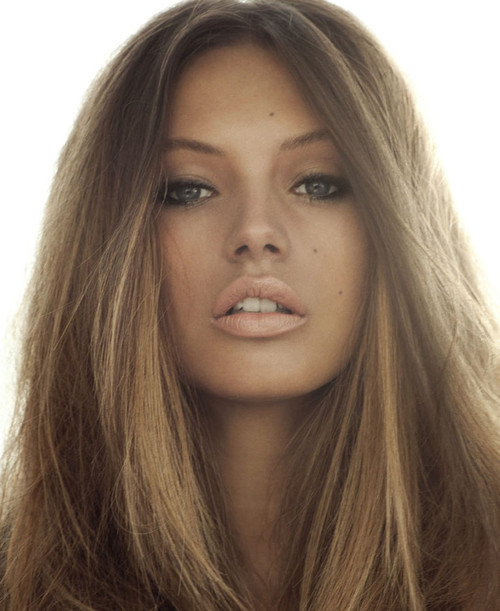
Sunlights
Look like you just came back from a holiday in the Bahamas. Sunlights hit the spots that the sun naturally hits on your hair. Lighter around the face with darker regrowth and blend of blonde and caramel on the ends. The colour is soft, blended and oh so natural looking. Think Victoria Secret models.


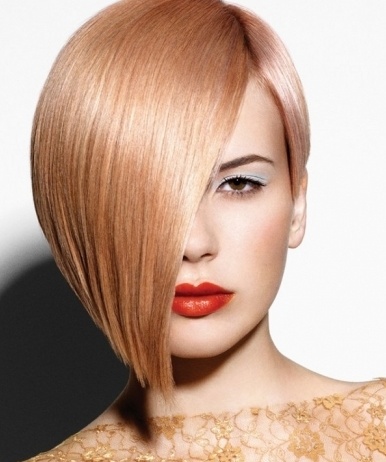
Rose Gold
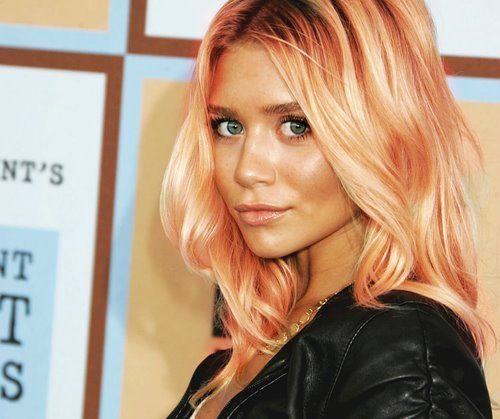
A soft copper blonde with a pinky tone. This hair colour suits lighter skin tones and is for those who are bored of blonde but aren't quite game enough to go copper. Can be used in highlights on darker skin tones.


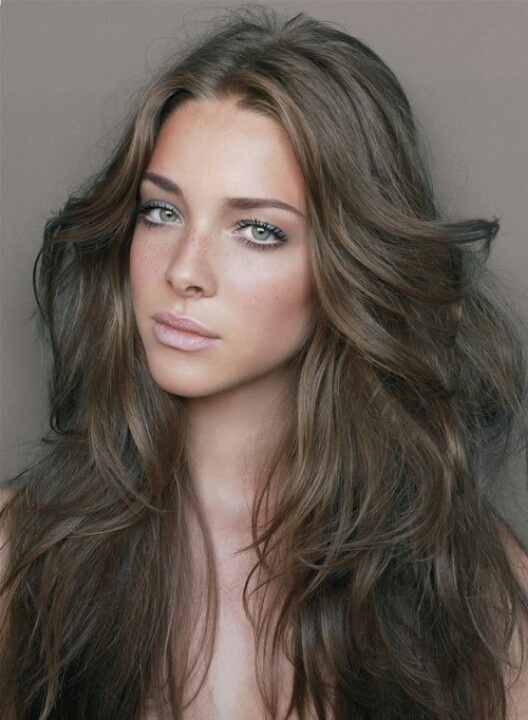
Ash Brown
This is the perfect colour for Brunettes who want to go lighter but without the brassiness. Suits darker skin tones but can be used in highlights with a blonde on lighter skin tones.


Ice Blonde
Bored of your full head highlights? Try a full head Ice Blonde. This look suits lighter to pale skin tones and is a soft feminine look. Team it with a pop coloured lipstick for a dramatic rock chic look.